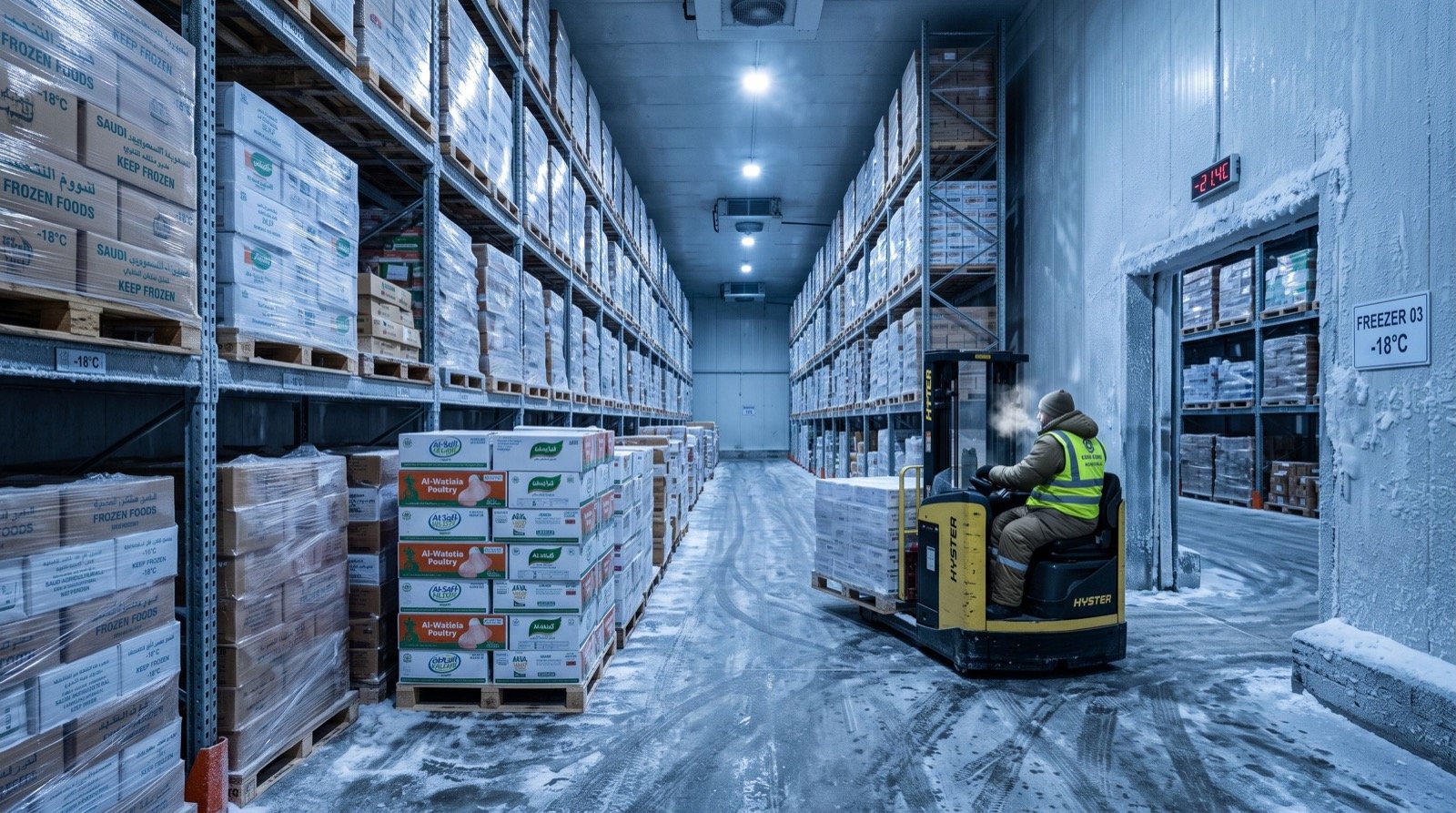
Port activity, industry and a growing retail base make the Eastern Province a busy logistics zone. If you are searching for dry storage in Dammam, you probably hold goods that need protection from heat, dust and moisture but not refrigeration. Getting the choice right keeps products saleable and avoids costly write-offs.
This 2026 article walks through what dry storage means, how Dammam’s climate affects it and how to compare options. It also includes a handy checklist.
What Is Dry Storage?
Dry storage is a covered, clean space that keeps goods away from rain, standing water and high humidity. It does not require strict temperature control, although good providers add ventilation and shading. It is the standard choice for packaged, non-perishable stock.
Examples include:
- Dry grocery lines, grains, pasta and tinned products
- Packaging materials such as cartons, bottles and labels
- Textiles, garments and footwear
- Electrical accessories and hardware
- Printed material and stationery
- Industrial consumables and spare parts
How Does Dammam’s Climate Affect Your Goods?
Dammam sits on the Arabian Gulf, so humidity is a bigger factor than in inland Riyadh. Warm, damp air can swell cardboard, rust metal parts and encourage mould on fabrics. Salt in the coastal air accelerates corrosion on exposed steel.
That is why a dry warehouse near the coast needs more than a roof. It needs sealed walls, raised floors, good airflow and sensible stacking practices.
Climate risks and simple fixes
| Risk | Effect on stock | Simple fix |
|---|---|---|
| High humidity | Mould, warped cartons | Ventilation, dehumidifiers, off-floor pallets |
| Dust and sand | Contaminated packaging | Sealed doors, regular cleaning |
| Heat | Label peeling, melted adhesives | Insulated roof, shaded docks |
| Salt air | Rust on metal parts | Sealed wrapping, indoor storage |
Choosing Dry Storage in Dammam: A Step-by-Step Approach
A managed service such as Dry Storage In Dammam saves you from running your own building. Whichever provider you consider, follow this process.
- List your goods, their dimensions and monthly volume.
- Note any sensitivity to humidity, heat or odours.
- Shortlist two or three sites near your port, factory or customers.
- Visit each site and inspect floors, roofs and pest control.
- Request written quotes with all handling fees included.
- Start with a short contract and review performance after 60 days.
What Should a Good Dry Warehouse Offer?
- Clean, dry, well-lit floor space with no leaks
- Racking or pallet positions rated for your load
- Pest control with documented visits
- Security including CCTV and controlled access
- Inventory records you can check online or by report
- Loading bays that accommodate your trucks
An original tip: check the floor and the first aisle
Stains at the base of walls and a musty smell in the corners are early signs of past moisture problems. Also look at how pallets near the door are kept. If they sit directly on concrete, ask why. That single observation tells you how seriously the operator treats humidity.
Pairing Dry Space With Cold Chain
Many Dammam businesses sell both packaged and fresh lines. For perishable stock you may add Chilled Storage in Saudi Arabia alongside your dry pallets. Keeping both with one supplier can simplify invoicing and consolidate deliveries.
Standards, Safety and Insurance
Food and consumer goods must follow national rules. Read the storage guidance from the Saudi Food and Drug Authority (SFDA) if you handle edible products. The Saudi Standards, Metrology and Quality Organization (SASO) publishes quality and conformity requirements for many imported goods.
Insurance deserves a clear conversation. Ask what the provider covers, what you must cover yourself and how claims are processed. A short clause can make a large difference after a fire or flood.
If you are comparing multiple suppliers, it helps to talk with reliable local experts who understand regional trade. Their feedback on logistics can save weeks.
A Realistic Example: An Importer Near the Port
Picture a small importer of kitchenware and packaged snacks who clears containers at the Dammam port every six weeks. Without storage, the container contents sit in a rented yard unit with no real roof insulation. After one humid August, a share of the cartons arrived at customers swollen and stained.
By moving to a clean, ventilated dry warehouse and putting pallets on racking, the importer cut damage claims sharply. The business also gained a staff-free place to receive deliveries, which let the owner focus on selling. The savings came less from cheaper rent and more from fewer returns.
Handling Practices That Reduce Damage
- Keep pallets off the floor and away from walls so air can move.
- Wrap pallets with stretch film and corner protectors for long storage.
- Never stack above the carton’s printed limit.
- Rotate stock by date received, and mark the oldest cartons clearly.
- Report any leak, spill or pest sign the same day it is noticed.
- Keep aisles clear for forklifts and for emergency access.
These habits cost almost nothing. They are also the first things auditors and insurers check after any incident, so building them into daily routine protects both stock and claims.
When Is Dry Space Not Enough?
Some goods look dry-friendly but are not. Chocolate melts, adhesives soften, certain cosmetics separate and electronics suffer in extreme heat. If a product’s label specifies a maximum temperature, treat that as a firm requirement, not a suggestion.
For those items, ask for a temperature-controlled option. A small premium on the storage rate is far cheaper than a pallet of unsellable stock.
Frequently Asked Questions
What is the difference between dry and ambient storage?
Dry storage focuses on keeping goods away from moisture and weather. Ambient storage adds some control over temperature. The terms overlap, so confirm exactly what conditions the provider guarantees.
How much does dry storage in Dammam cost?
Prices depend on location, volume and services. Ask for a quote based on pallet positions or floor area and include handling fees.
Can I store food in a dry warehouse?
You can store shelf-stable, sealed food in a clean, pest-controlled dry facility. Fresh products need chilled space.
Is short-term storage possible?
Many providers offer flexible monthly arrangements, which suit seasonal stock and project work.
Conclusion
The best dry storage in Dammam in 2026 is clean, ventilated, secure and priced transparently. Inspect the site, ask about humidity and pest control, and begin with a short contract. When you are ready, request a quote and secure the space your stock needs.